SOLARIS

A Digital Museum of the Solar System

0%

Scroll

SOLARIS

An interactive journey through the wonders
of our Solar System.

Watch Trailer
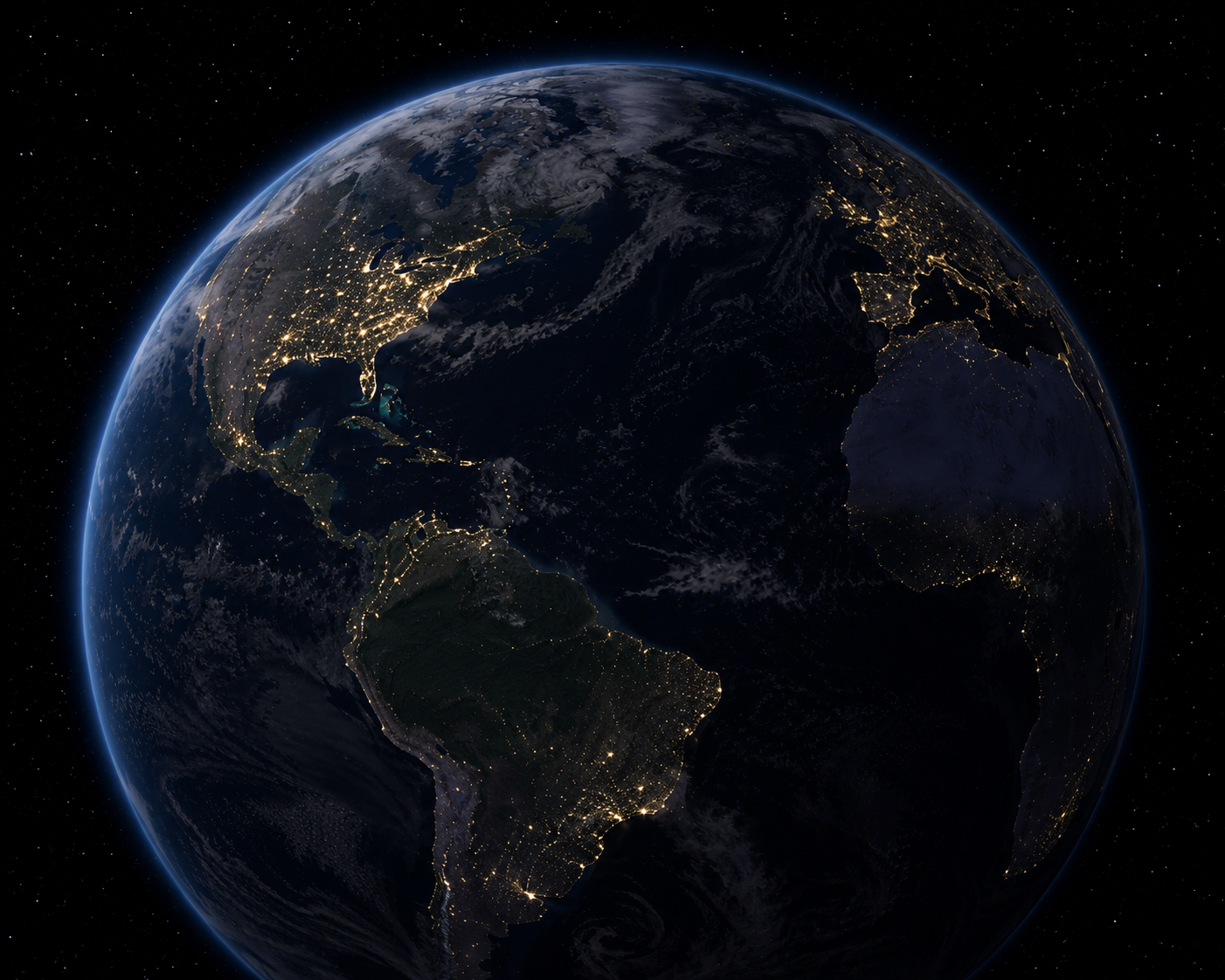
Earth at night from orbit

Welcome to Solaris

Every planet tells
a different story.

A story of formation — of dust and gas collapsing into worlds over billions of years. A story of evolution — of atmospheres shifting, surfaces scarring, oceans rising and falling.

SOLARIS is a cinematic museum of the solar system. Eight exhibits. An endless curiosity about what lies beyond.

Interactive Explorer

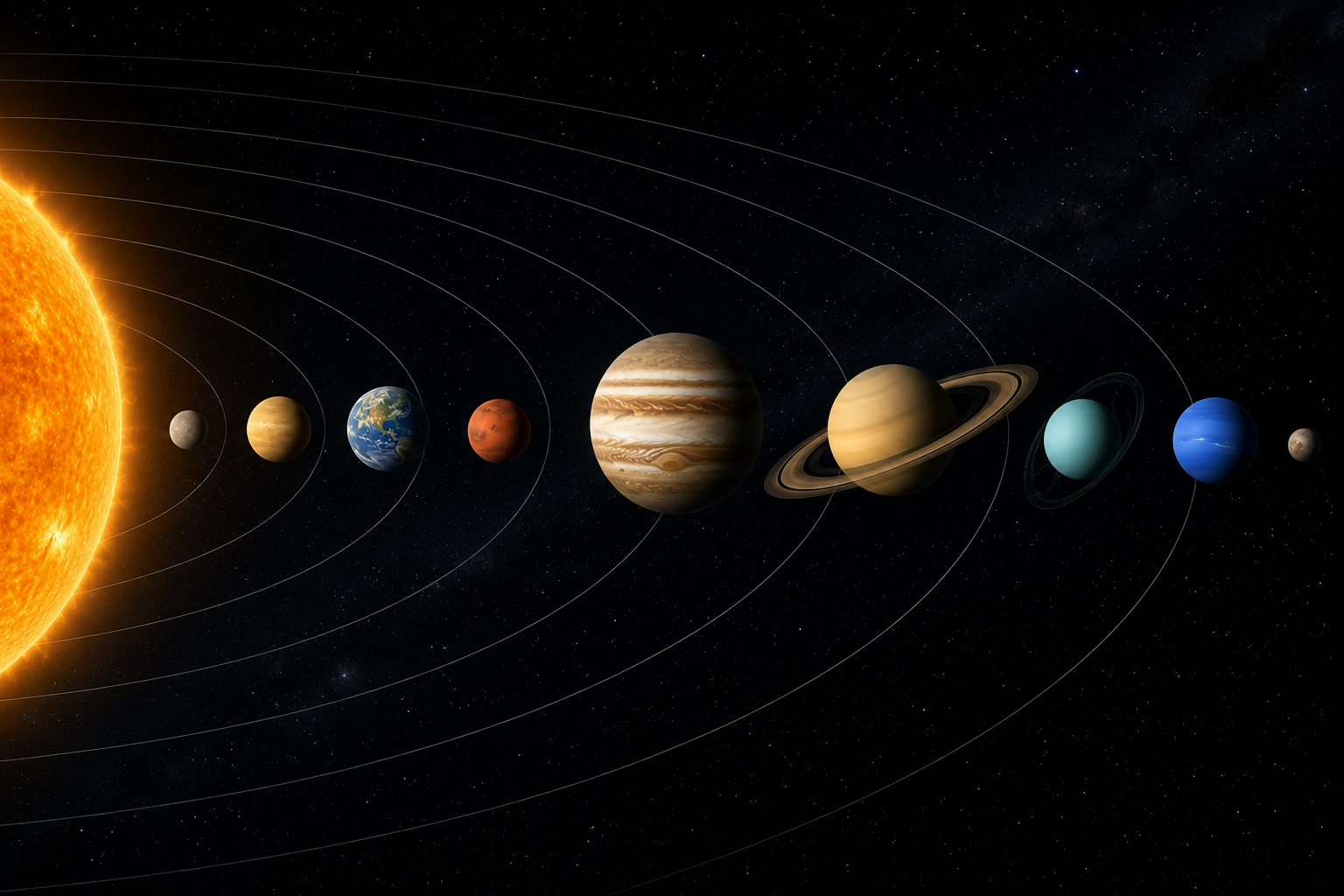
The Solar System

Drag to orbitScroll to zoomClick to explore

The Exhibition

VIII Exhibits

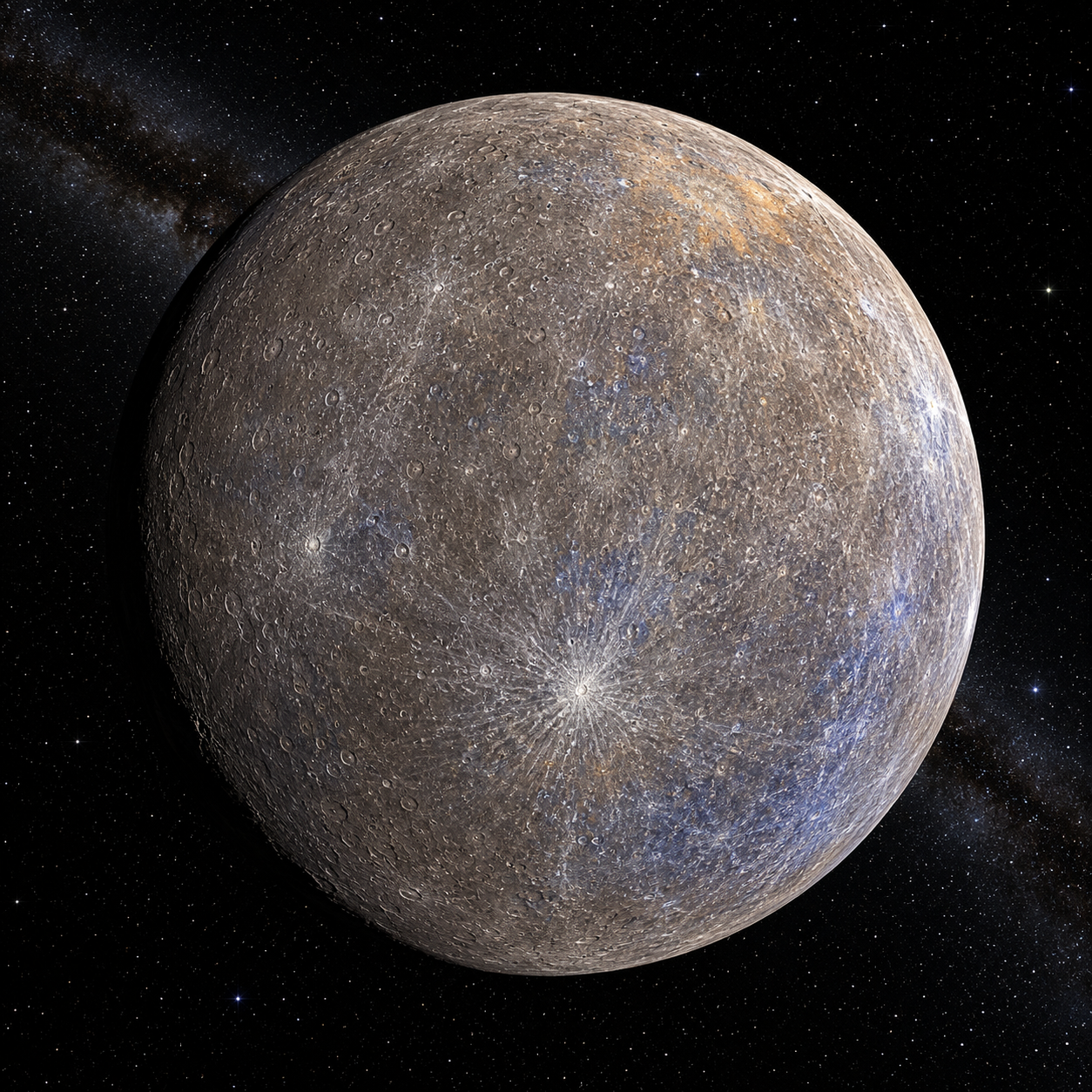
Mercury
Exhibit I

Mercury

The Scorched Messenger

0

Moons

4,879

km diameter
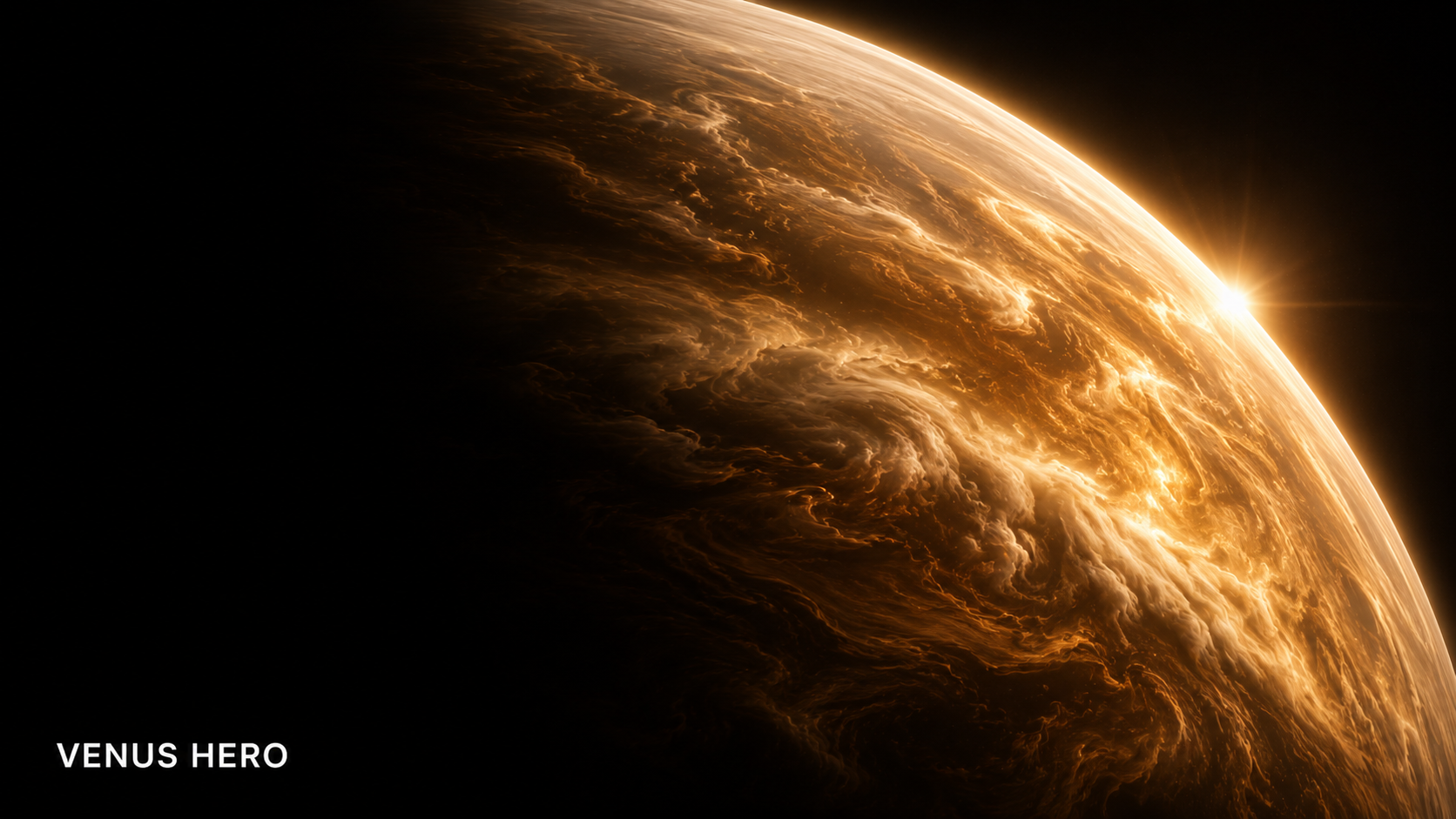
Venus
Exhibit II

Venus

The Veiled Inferno

0

Moons

12,104

km diameter
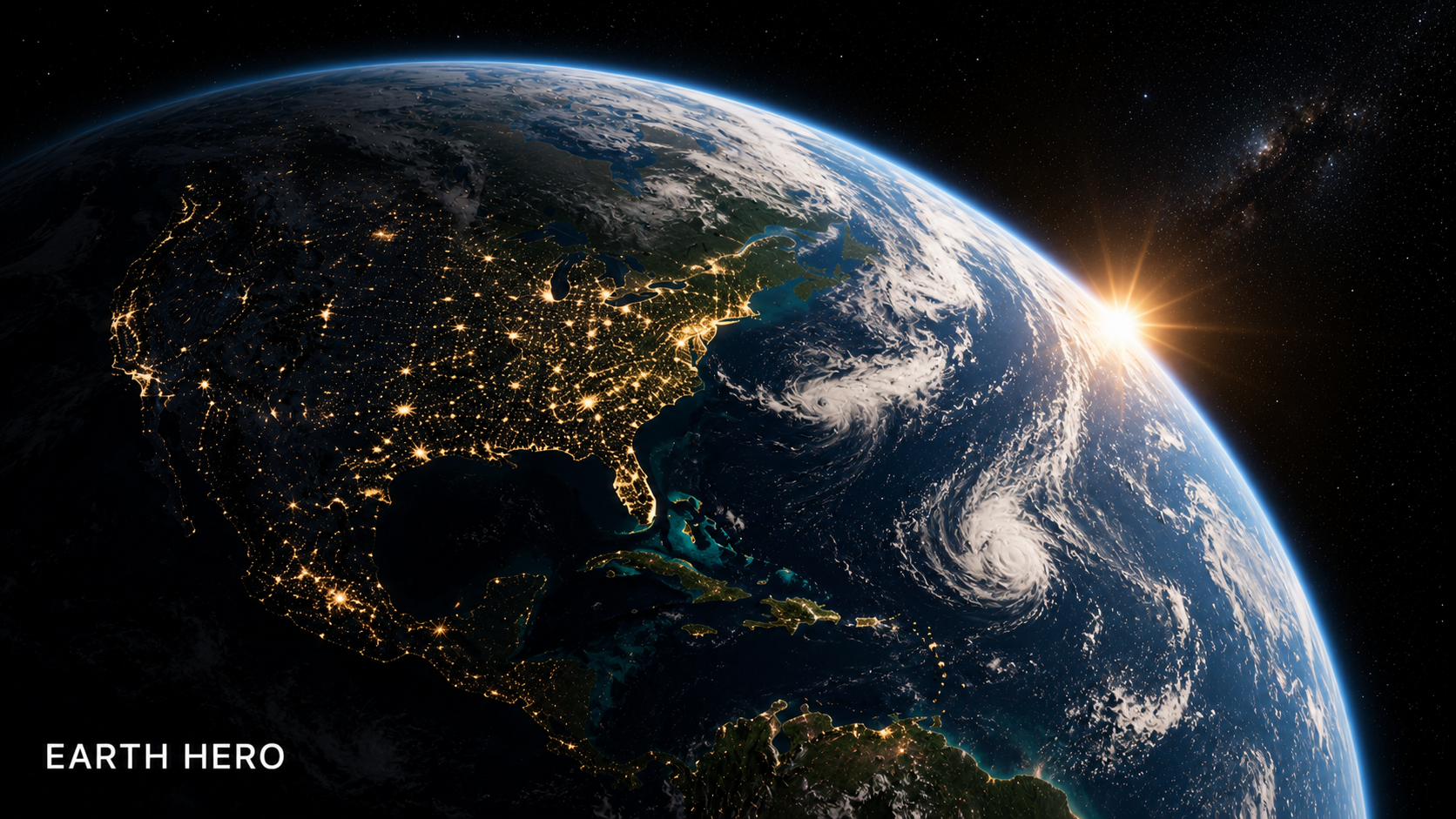
Earth
Exhibit III

Earth

The Living World

1

Moons

12,742

km diameter
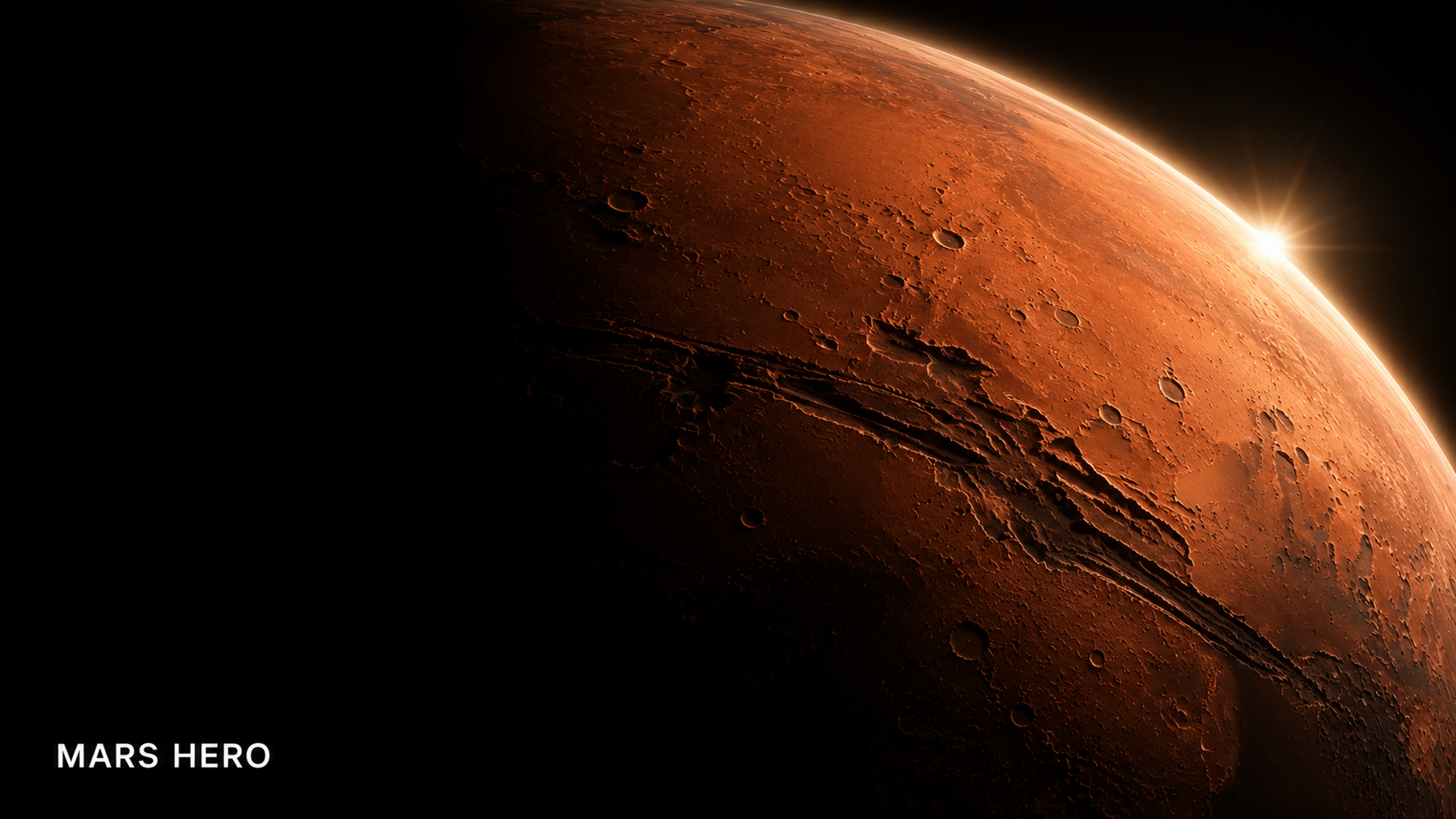
Mars
Exhibit IV

Mars

The Frontier World

2

Moons

6,779

km diameter
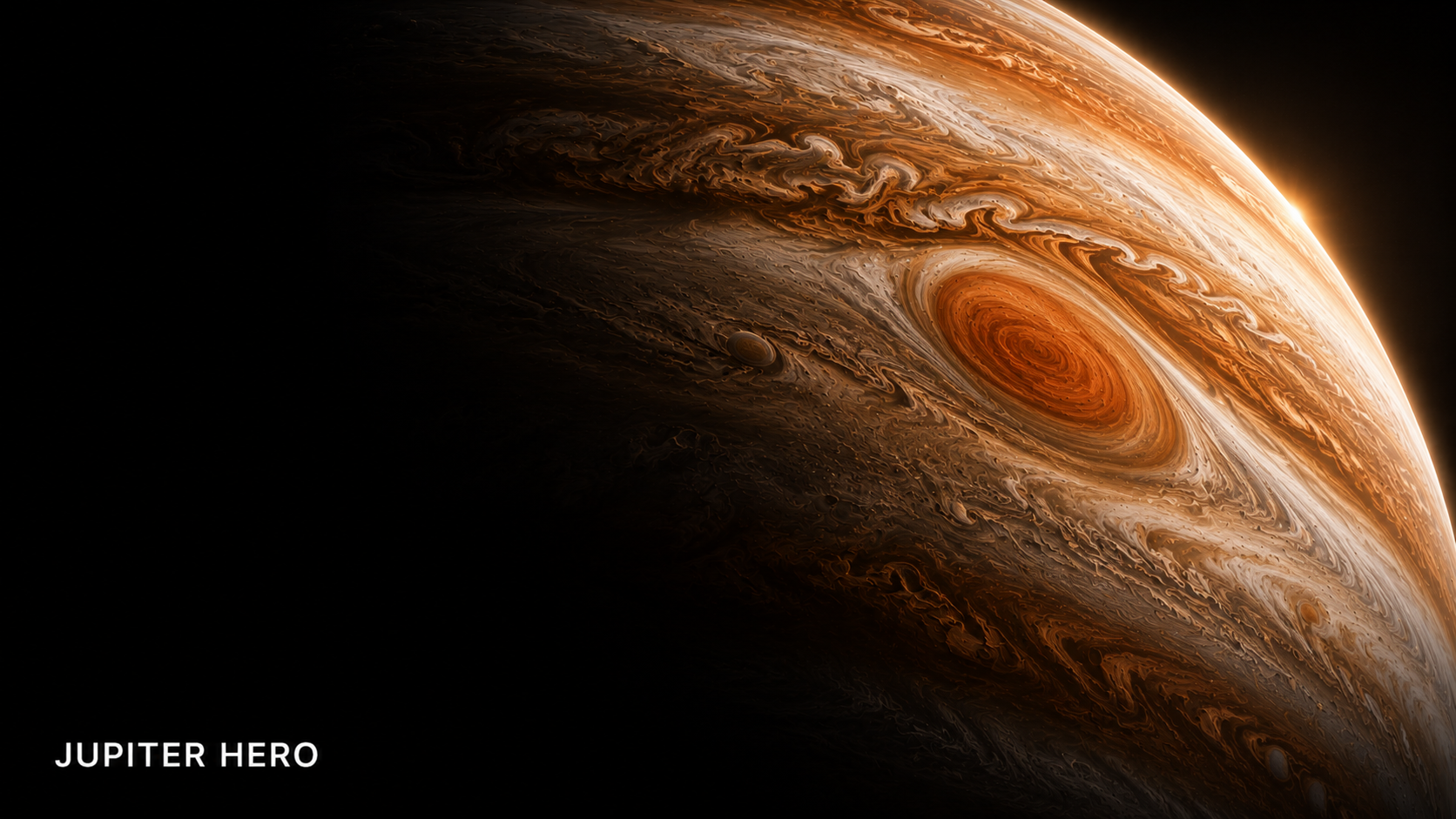
Jupiter
Exhibit V

Jupiter

The Colossus

95

Moons

139,820

km diameter
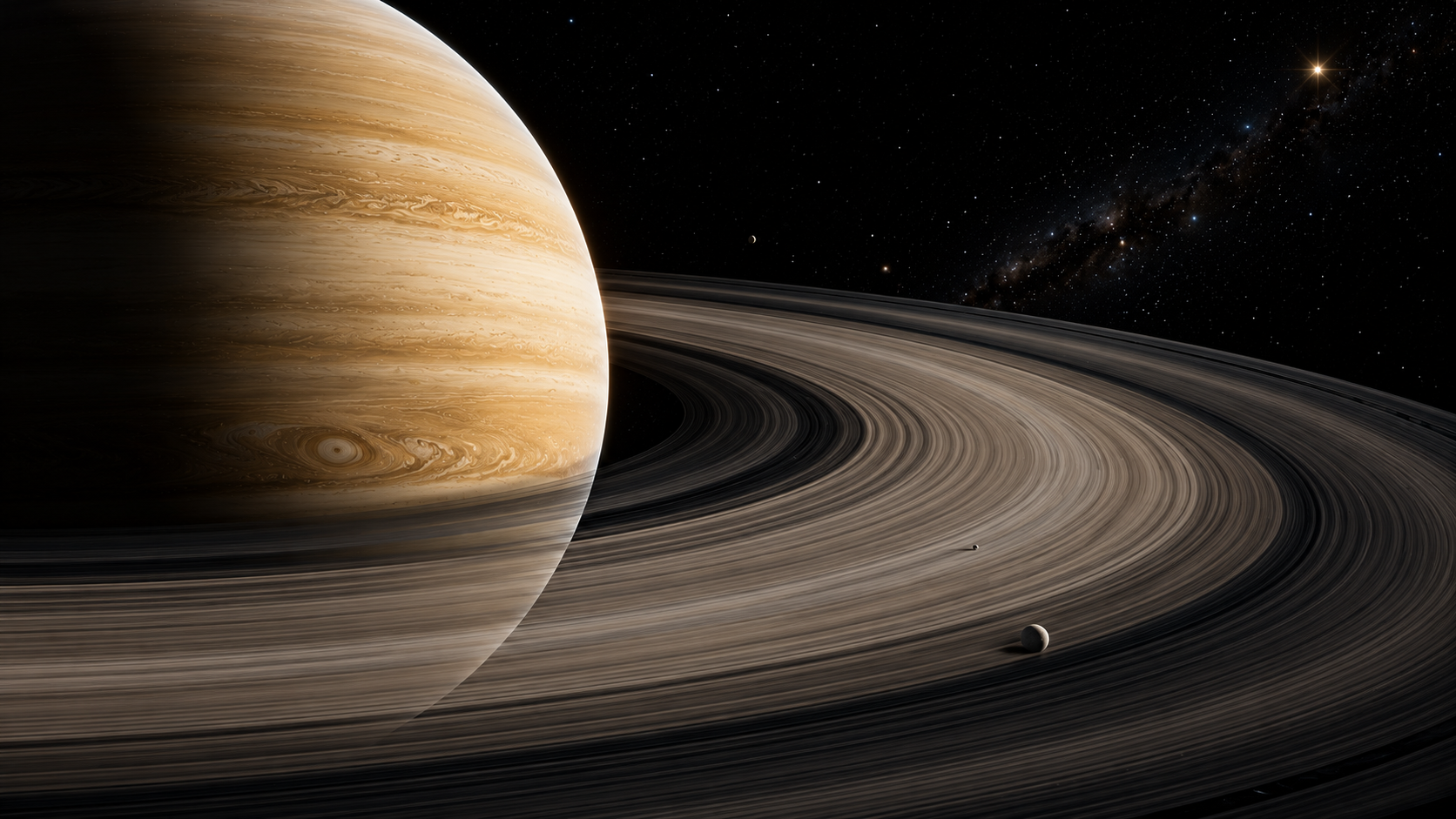
Saturn
Exhibit VI

Saturn

The Ringed Jewel

146

Moons

116,460

km diameter
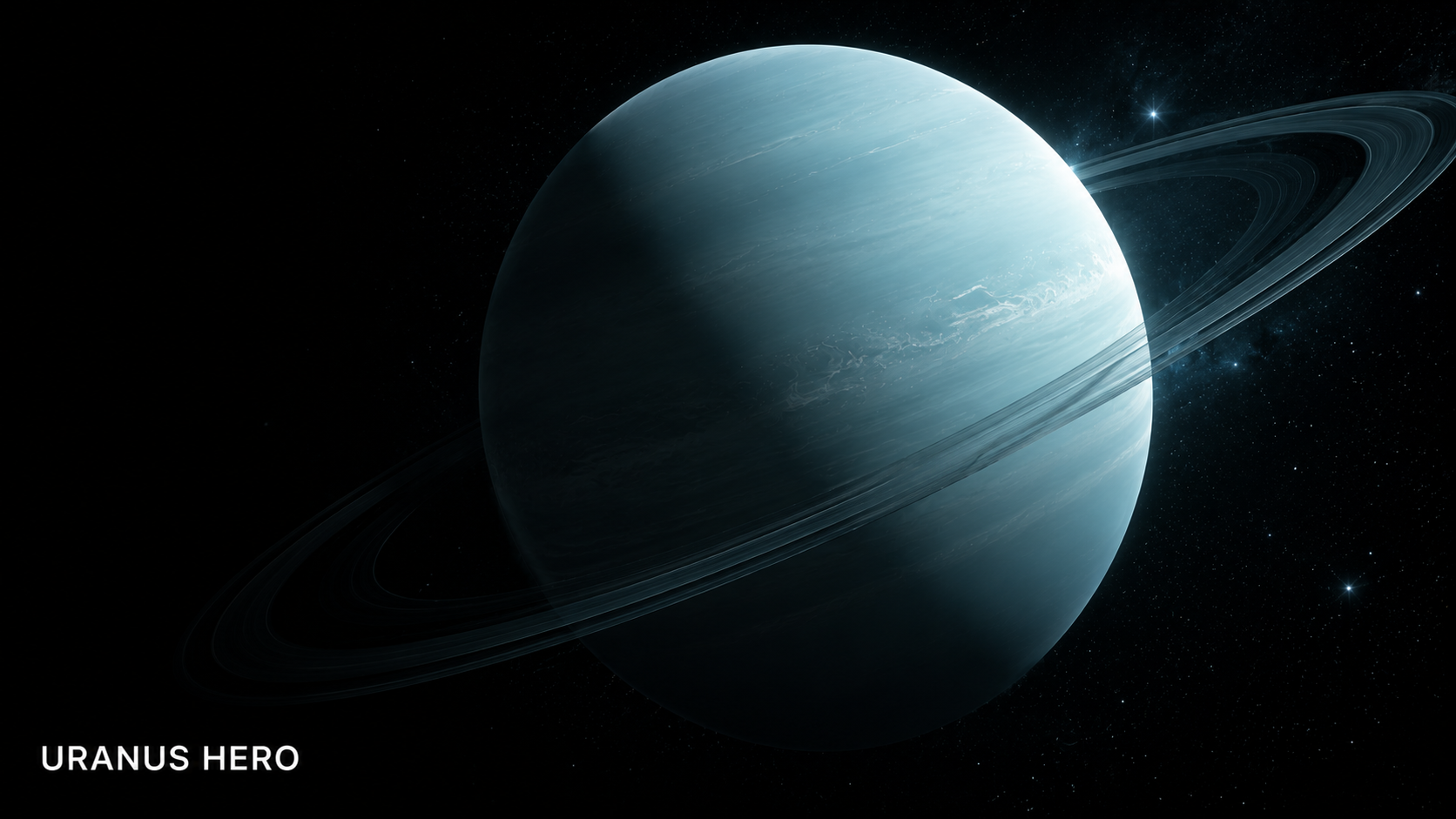
Uranus
Exhibit VII

Uranus

The Tilted Giant

28

Moons

50,724

km diameter
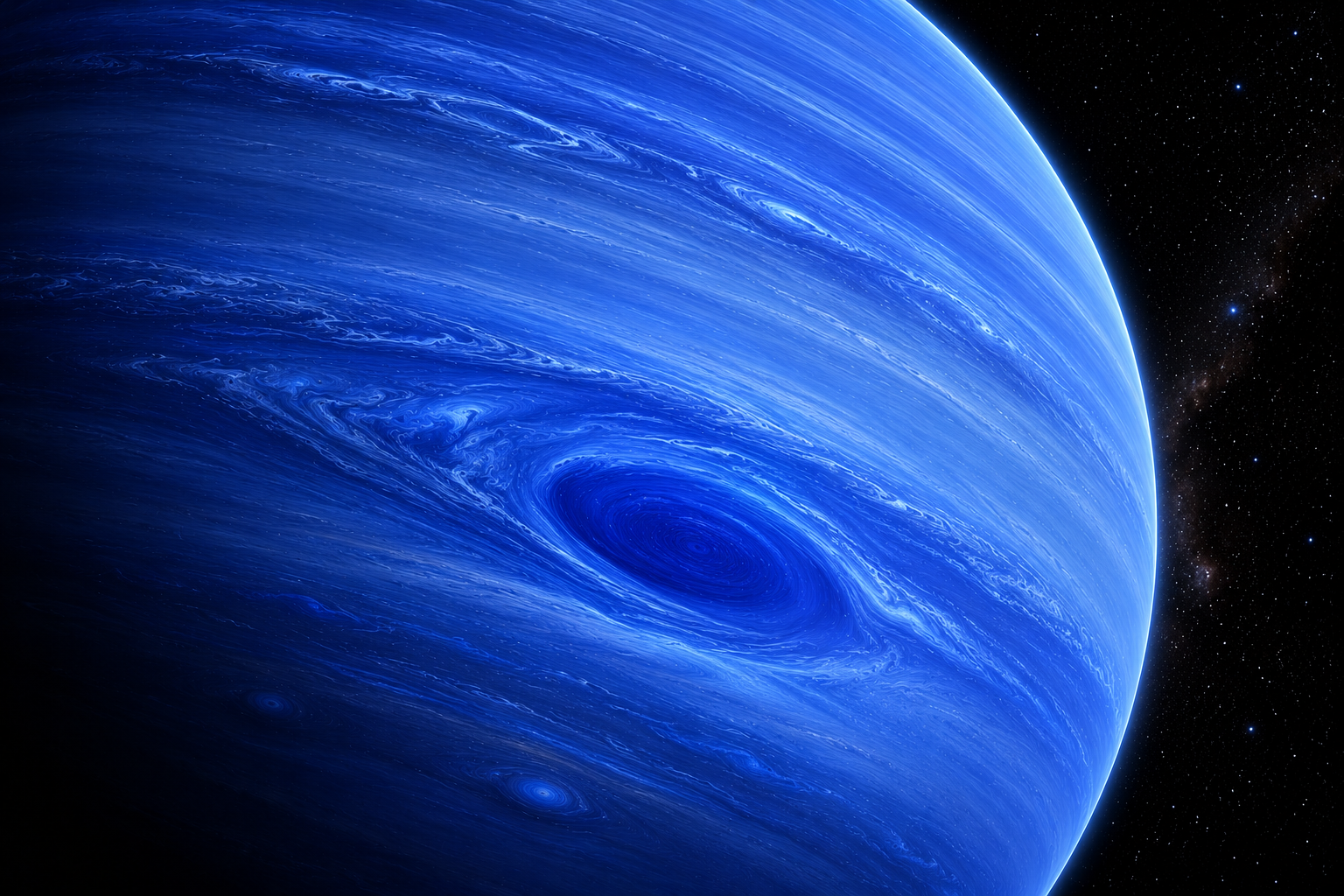
Neptune
Exhibit VIII

Neptune

The Dark Sovereign

16

Moons

49,244

km diameter

4.6 Billion Years of History

Timeline of
Formation

From a collapsing cloud of interstellar dust to a civilization reaching for the stars — traced in eight pivotal moments.

4,600 Mya

The Solar Nebula

A vast molecular cloud — mostly hydrogen and helium — begins to collapse under its own gravity, triggered by a nearby supernova shockwave.

99.86% of the cloud's mass became the SunTemperature reached 15 million °C at the core

4,570 Mya

The Sun Ignites

Pressure and temperature at the collapsing core reach nuclear-fusion threshold. Hydrogen fuses into helium — and our star is born, releasing energy equivalent to 100 billion nuclear bombs per second.

Sun generates 3.8 × 10²⁶ watts continuouslyThe solar wind swept gas from the inner system

4,500 Mya

Protoplanetary Disk

The remaining disk of gas and dust around the young Sun begins to clump. Dust grains stick together, forming pebbles, then boulders, then planetesimals — the seeds of planets.

The disk extended 100+ AU from the SunMillions of planetesimals formed in under 10,000 years

4,450 Mya

Rocky Worlds Form

In the hot inner disk, only metals and silicates survive. Violent collisions between planetesimals build Mercury, Venus, Earth, and Mars — scarred, molten, and bombarded.

Earth's iron core sank to its center in ~30M yearsThe Moon formed from a Mars-sized impactor called Theia

4,400 Mya

The Giant Planets

Beyond the frost line where water ice survives, Jupiter and Saturn rapidly accrete massive hydrogen envelopes around rocky cores. Uranus and Neptune follow at the edge of the disk.

Jupiter formed in under 1 million yearsJupiter's gravity shaped the entire solar system's architecture

4,100 Mya

Late Heavy Bombardment

A gravitational reshuffling of the giant planets sends a torrent of asteroids and comets into the inner solar system. Every world is cratered. Oceans may have arrived with the ice-bearing impactors.

The Moon's ancient craters date to this periodEarth may have received its water from cometary impacts

3,800 Mya

Life Begins on Earth

Chemical reactions in hydrothermal vents or shallow pools produce the first self-replicating molecules. Single-celled organisms emerge — the only known life in the entire universe.

First evidence of life found in 3.7 Billion-year-old rocksPhotosynthetic bacteria oxygenated Earth's atmosphere over 2B years

Present Day

The Age of Exploration

In the cosmic blink of 250 years, humanity has launched 250+ missions, landed on the Moon, roved Mars, and sent two spacecraft beyond the heliopause into interstellar space.

Voyager 1 is 24 billion km from Earth8 planets, 200+ moons, and counting

The Exhibition

Compare the
Worlds

Select a metric below to compare all eight planets side by side.

Jupiter
139,820km
Saturn
116,460km
Uranus
50,724km
Neptune
49,244km
Earth
12,742km
Venus
12,104km
Mars
6,779km
Mercury
4,879km

Sorted by diameter — click any metric tab to reorder

By the numbers

Solar System
Statistics

0

Total Planets

0+

Known Moons

0.0B

Years of History

0.00M

Sun Diameter (km)

0B

Voyager Distance (km)

0+

Missions Launched

Mission Archive

Featured
Missions

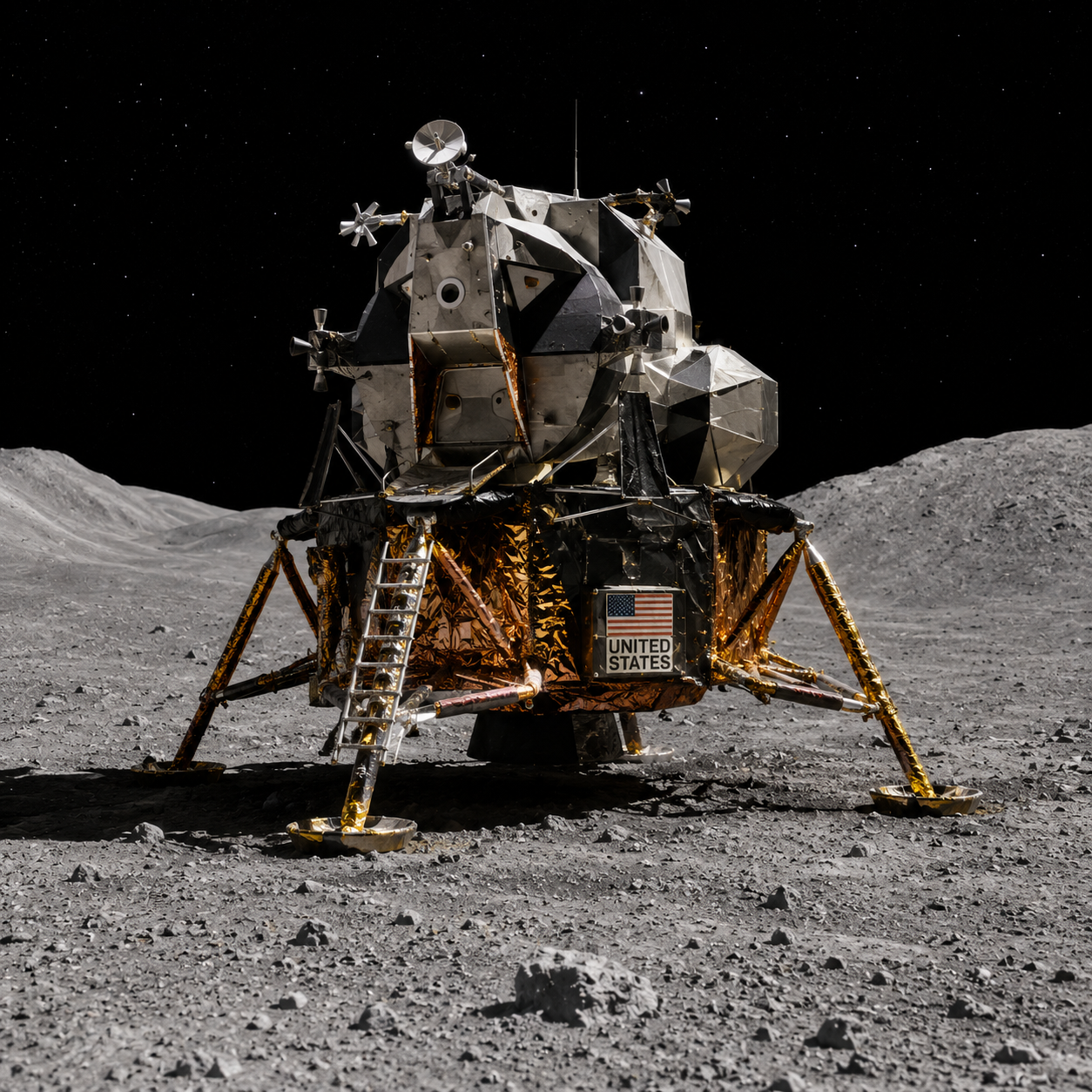
Apollo 11
1969
Crewed Lunar

Apollo 11

NASA · The Moon

Humanity sets foot on another world. Neil Armstrong takes one giant leap for mankind.

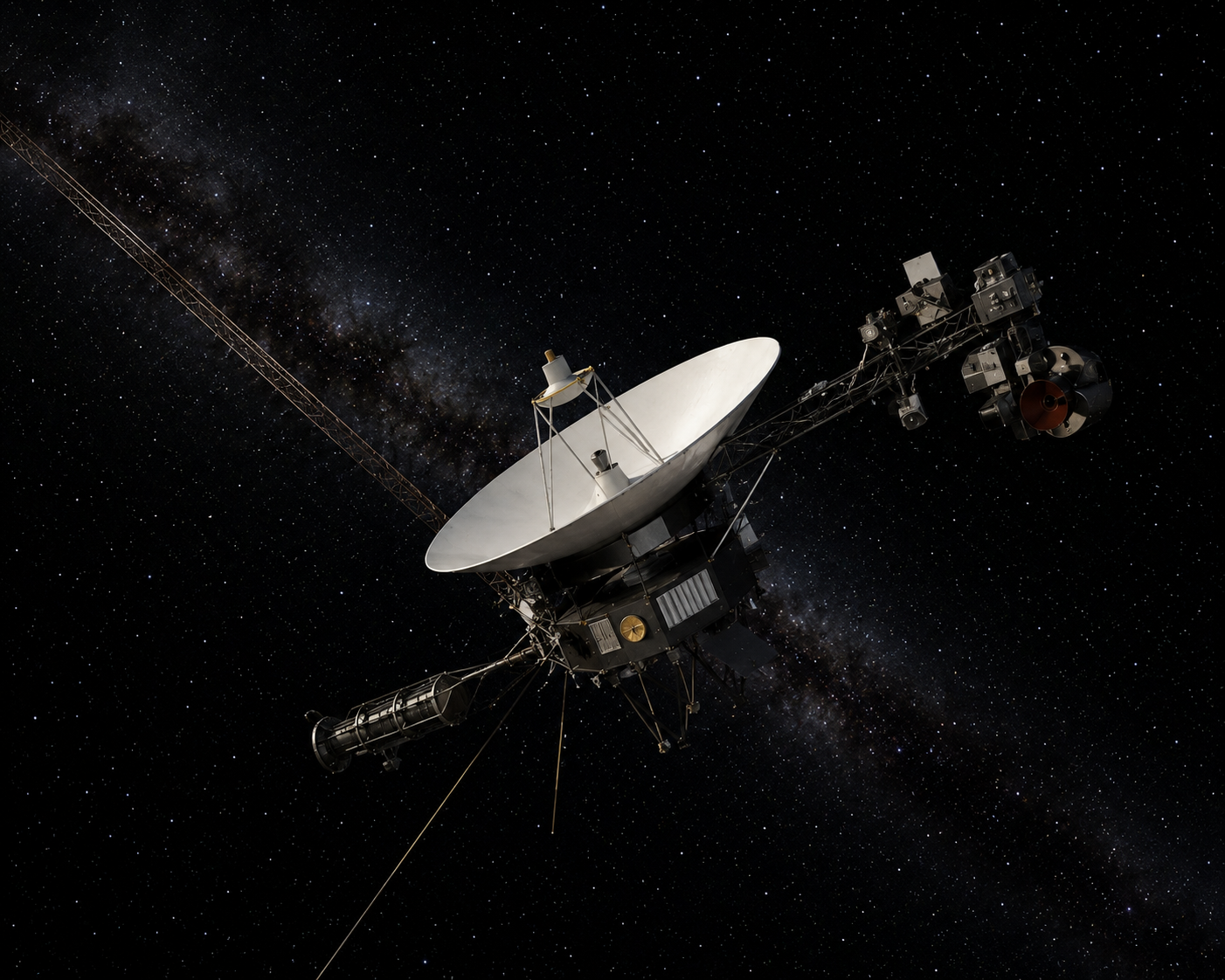
Voyager 1
1977
Deep Space Probe

Voyager 1

NASA · Interstellar Space

Now beyond our solar system — the farthest human-made object in history.

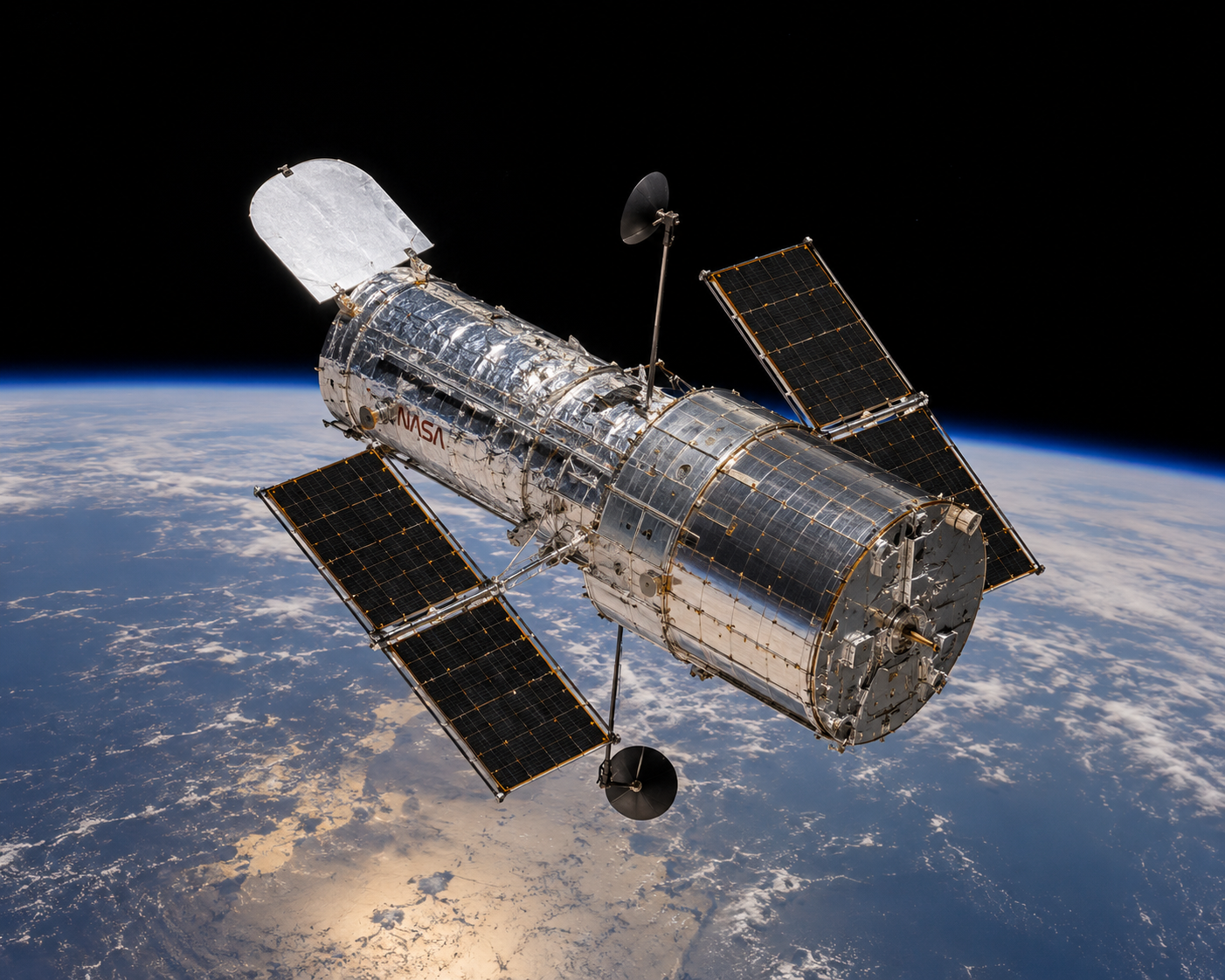
Hubble
1990
Space Telescope

Hubble

NASA / ESA · Deep Universe

Three decades of iconic imagery have forever changed humanity's view of the cosmos.

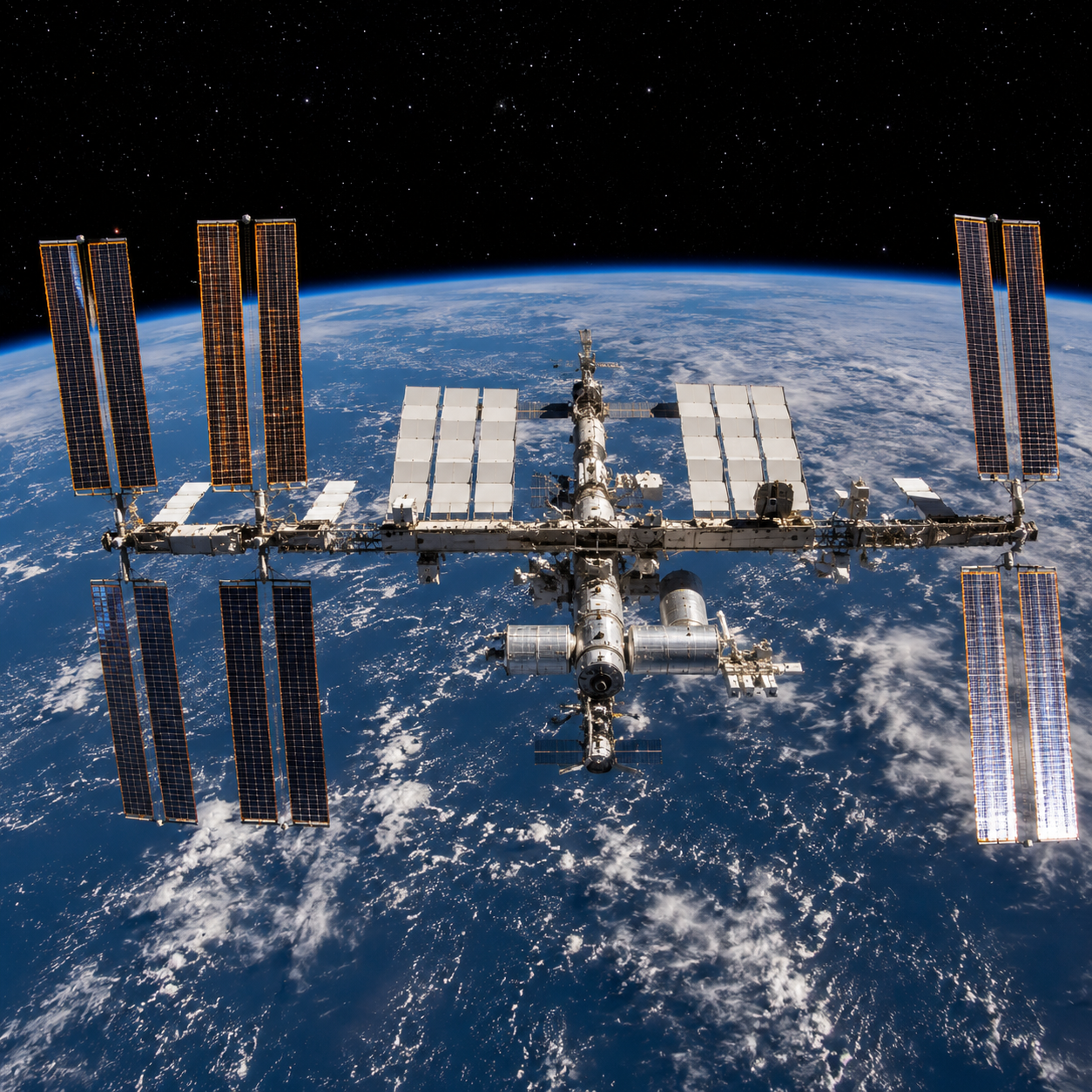
Space Station
1998
Orbital Laboratory

Space Station

NASA / ESA / Roscosmos · Low Earth Orbit

A permanent home in space, hosting astronauts continuously for over two decades.

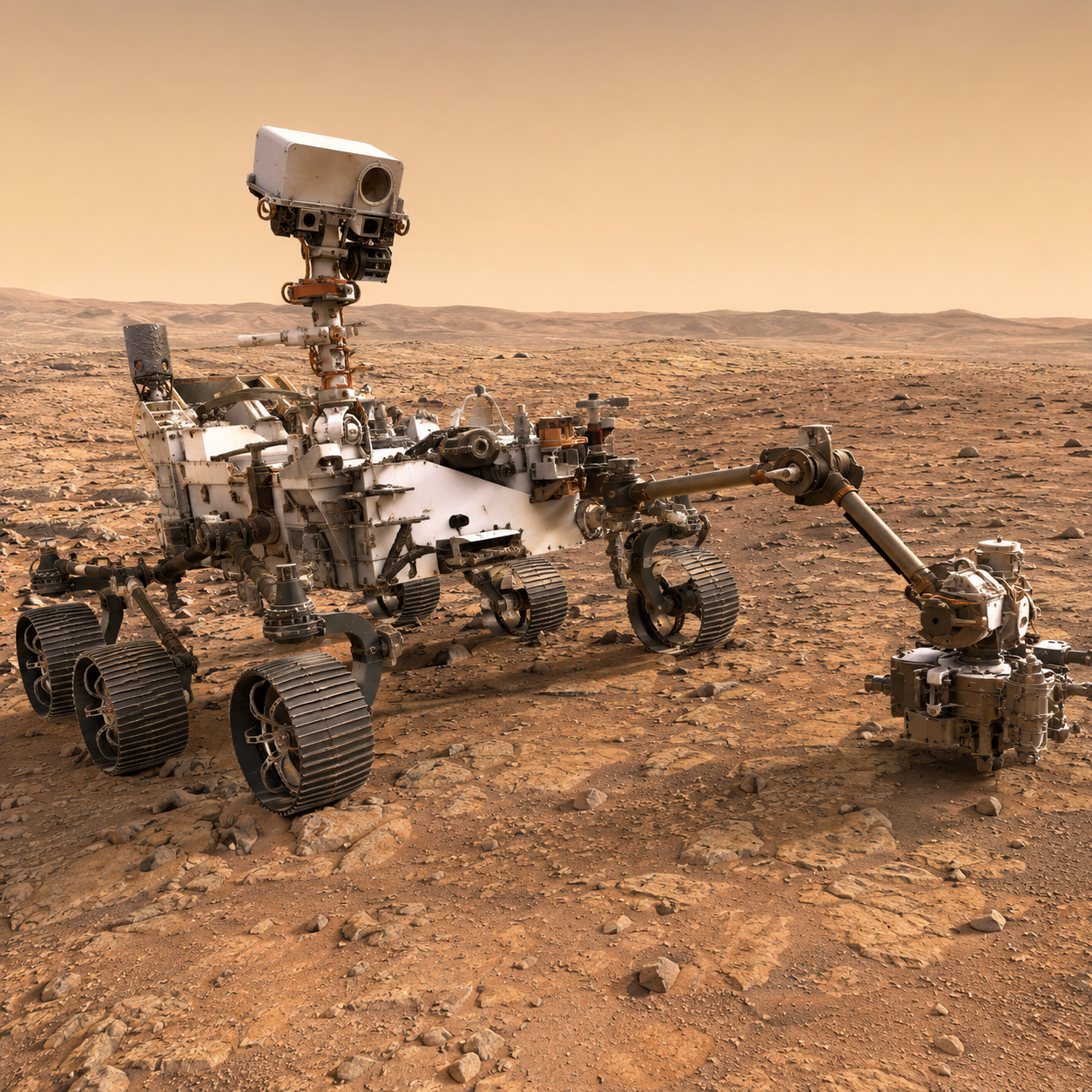
Perseverance
2020
Mars Rover

Perseverance

NASA · Mars

Searching for biosignatures in ancient Martian lakebeds — and caching samples for Earth return.

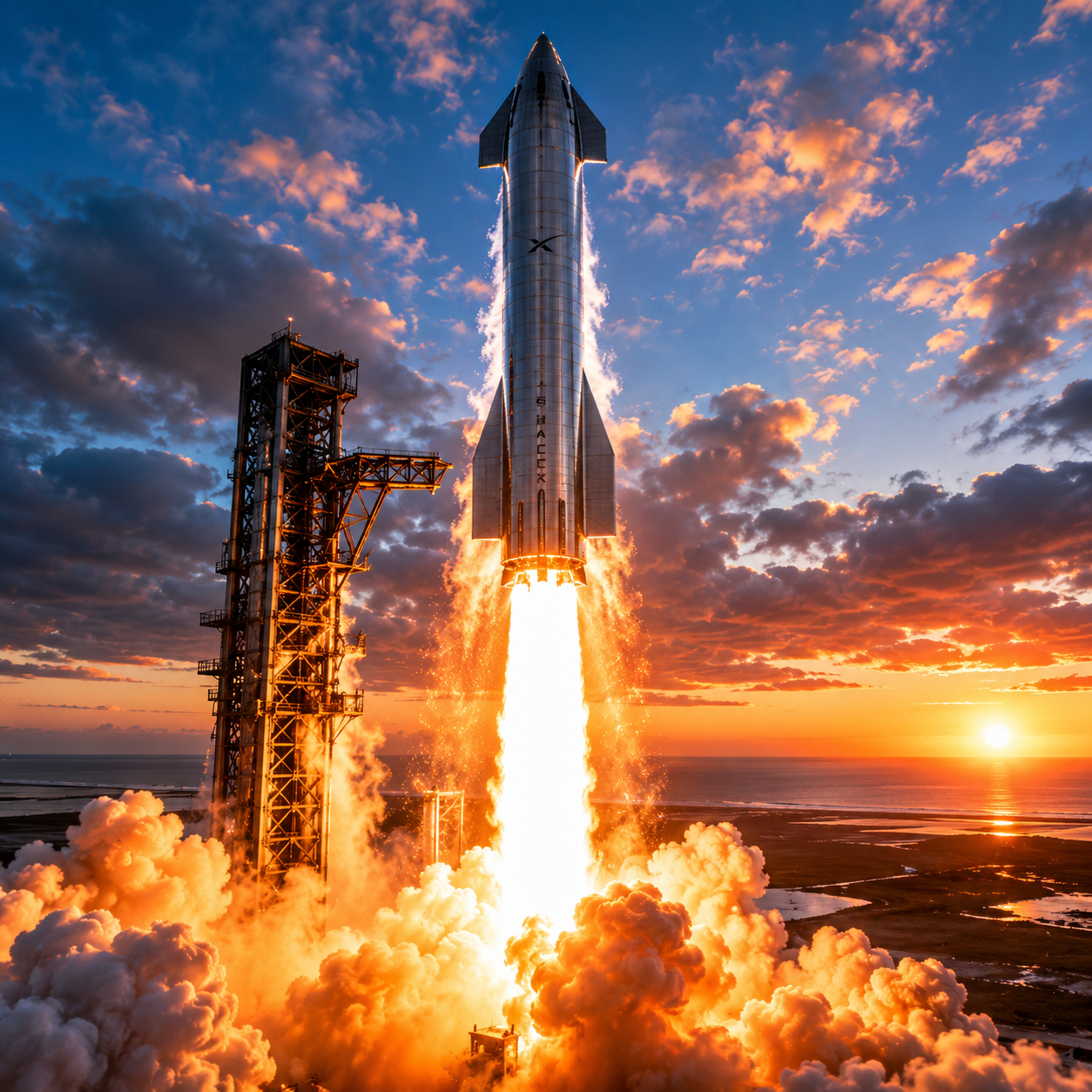
Starship
2023+
Next-Gen Spacecraft

Starship

SpaceX · Mars & Beyond

The most powerful rocket ever built — designed to make humanity a multiplanetary species.

Jupiter

Featured Exhibit · Exhibit V

Jupiter

The Giant Guardian

A world so vast it could swallow all other planets combined.

Did You Know

Fascinating
Facts

Hover each card to reveal the full story.

Jupiter

Jupiter could fit 1,300 Earths inside it.

Hover to reveal
Protects Earth

Jupiter's enormous gravity acts as a shield — it captures or deflects asteroids and comets that would otherwise strike Earth. Without Jupiter, life on our planet might never have had time to evolve.

Venus

Venus rotates in the opposite direction to most planets.

Hover to reveal
Spins Backwards

On Venus, the Sun rises in the west and sets in the east. Its day is longer than its year — a single Venusian day lasts 243 Earth days, while its year is only 225 days.

Mars

Olympus Mons is nearly 3× taller than Everest.

Hover to reveal
Tallest Mountain

At 21.9 km above the Martian surface, Olympus Mons is the tallest volcano in the solar system. It's so wide (600 km) that standing at its rim, you couldn't see the centre — it would be below the horizon.

Neptune

Neptune's winds reach 2,100 km/h.

Hover to reveal
Supersonic Winds

The fastest winds in the solar system howl across Neptune — over three times faster than Earth's most powerful hurricanes. Despite being the farthest planet from the Sun, Neptune generates enormous internal heat that drives these incredible storms.

Saturn

Saturn is the only planet less dense than water.

Hover to reveal
Would Float

Saturn's density is just 0.69 g/cm³ — lighter than water. If you could find an ocean large enough, Saturn would float in it. Its rings are composed of billions of ice particles ranging from tiny grains to chunks the size of houses.

Mercury

A Mercury day is longer than a Mercury year.

Hover to reveal
Extreme Days

Mercury rotates so slowly that its day (59 Earth days) is longer than its year (88 Earth days). One Mercury solar day — sunrise to sunrise — is 176 Earth days, meaning the Sun sometimes appears to reverse direction in Mercury's sky.

Earth

The Moon moves 3.8 cm away from Earth every year.

Hover to reveal
Drifting Moon

Tidal interactions between Earth and the Moon are causing the Moon to slowly recede. In about 600 million years, the Moon will appear too small to fully cover the Sun — total solar eclipses will become impossible. Ancient Earth had no such eclipses either.

Uranus

Uranus rotates on its side — at a 98° tilt.

Hover to reveal
Sideways Planet

Uranus's extreme tilt means its poles experience 42 years of continuous sunlight followed by 42 years of darkness. Scientists believe a massive collision billions of years ago knocked Uranus onto its side, giving it the most extreme seasons in the solar system.

Gallery

Visions of
Space

Earth at Night

Earth at Night

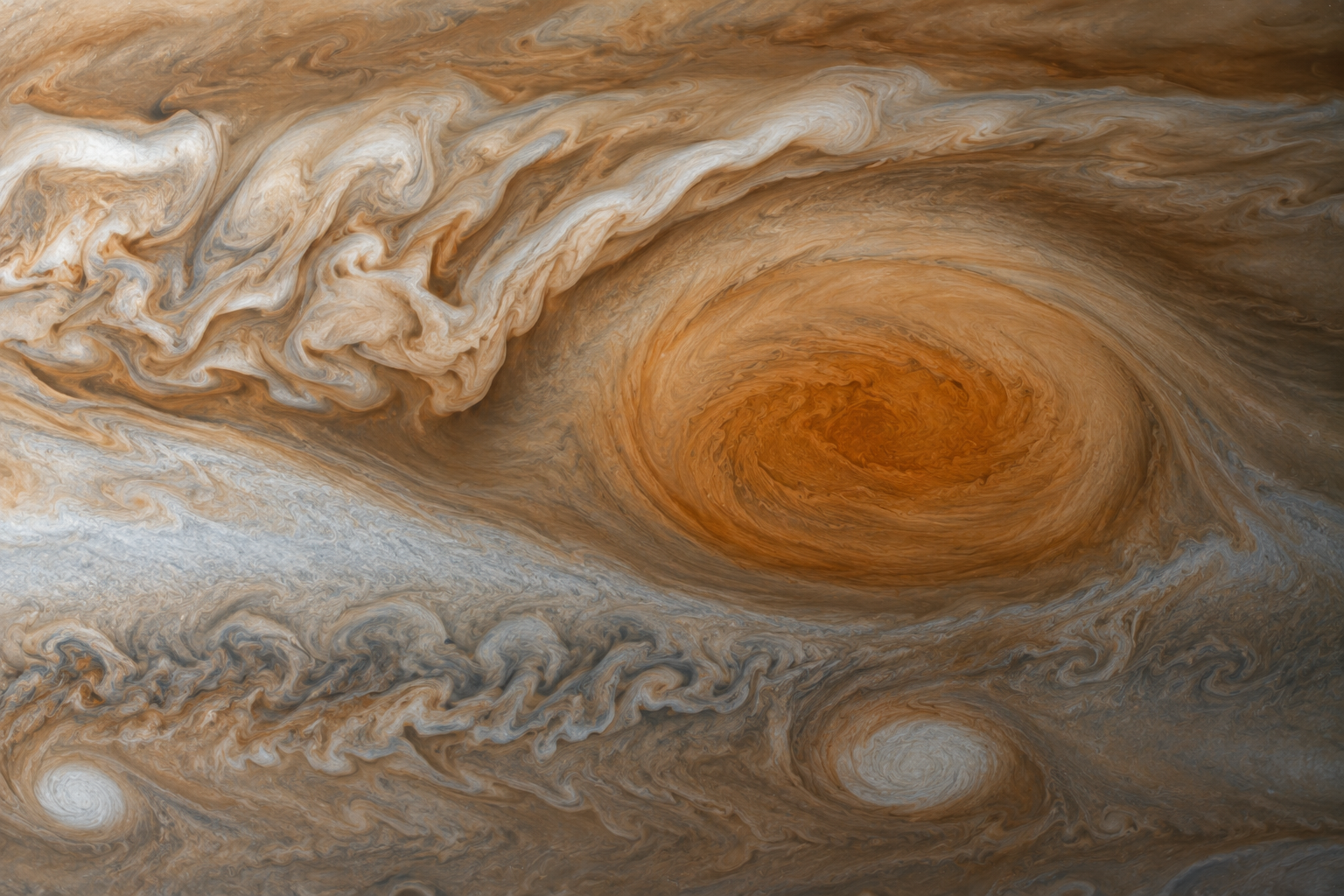
Great Red Spot

Great Red Spot

Saturn's Rings

Saturn's Rings

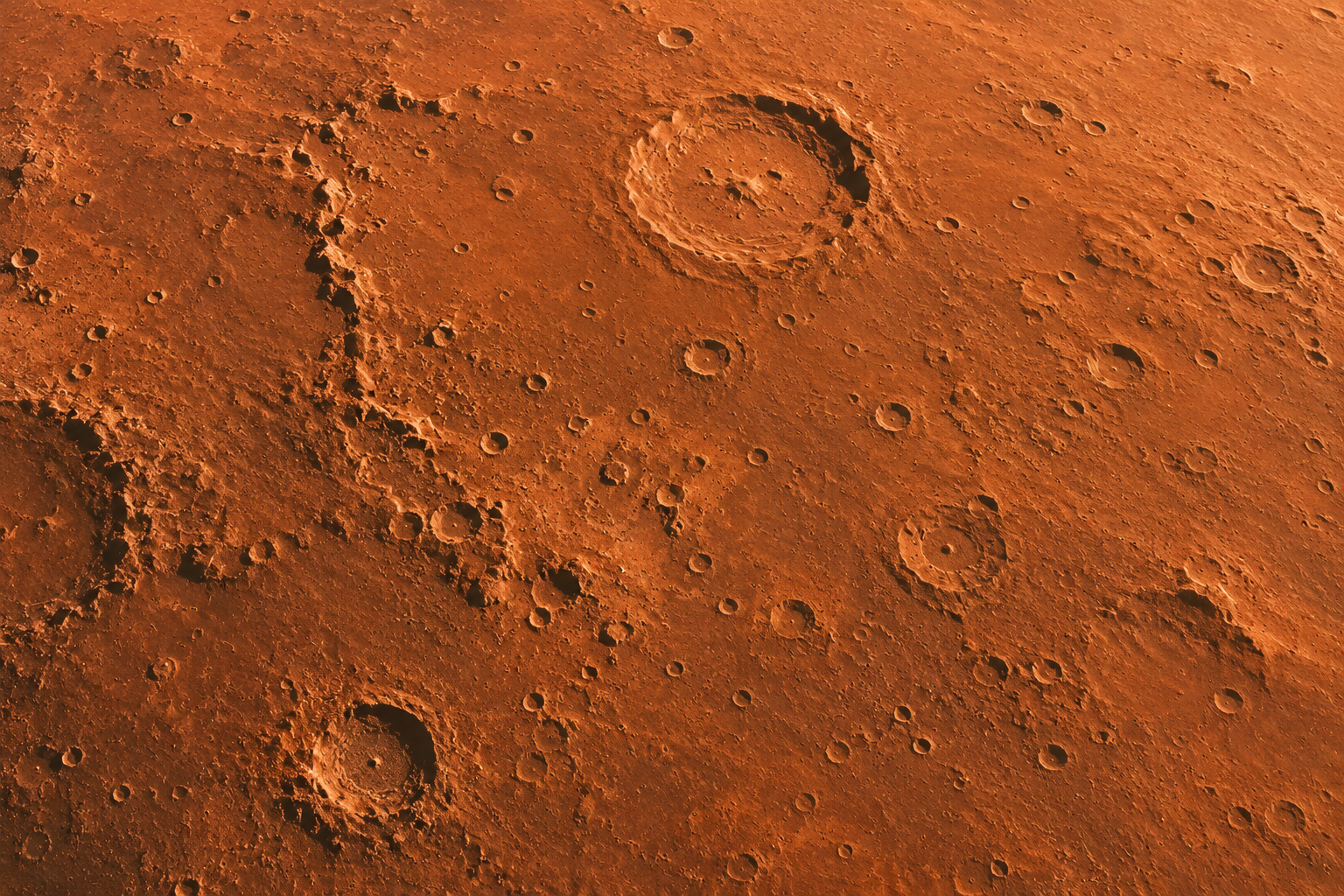
Mars Terrain

Mars Terrain

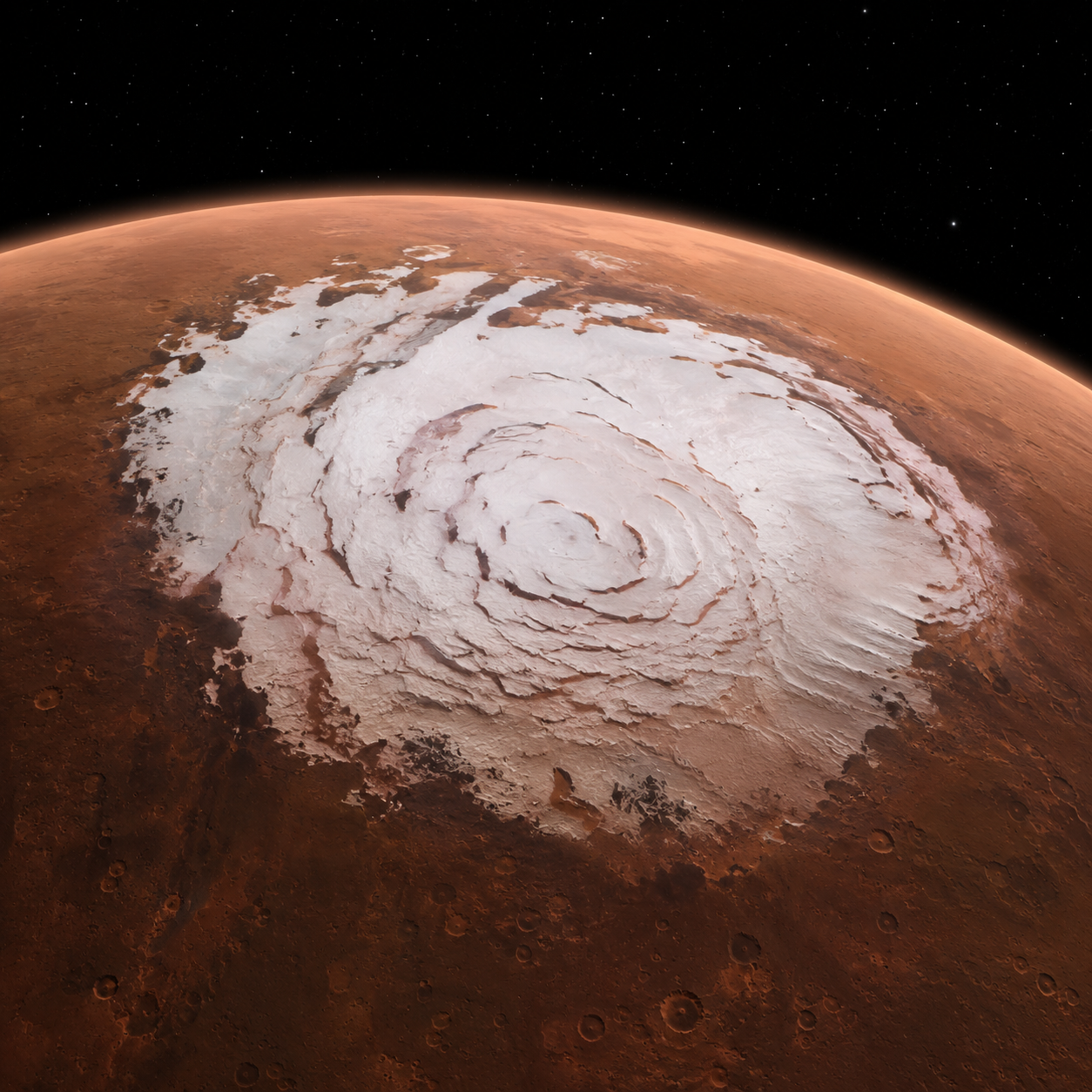
Mars Polar Cap

Mars Polar Cap

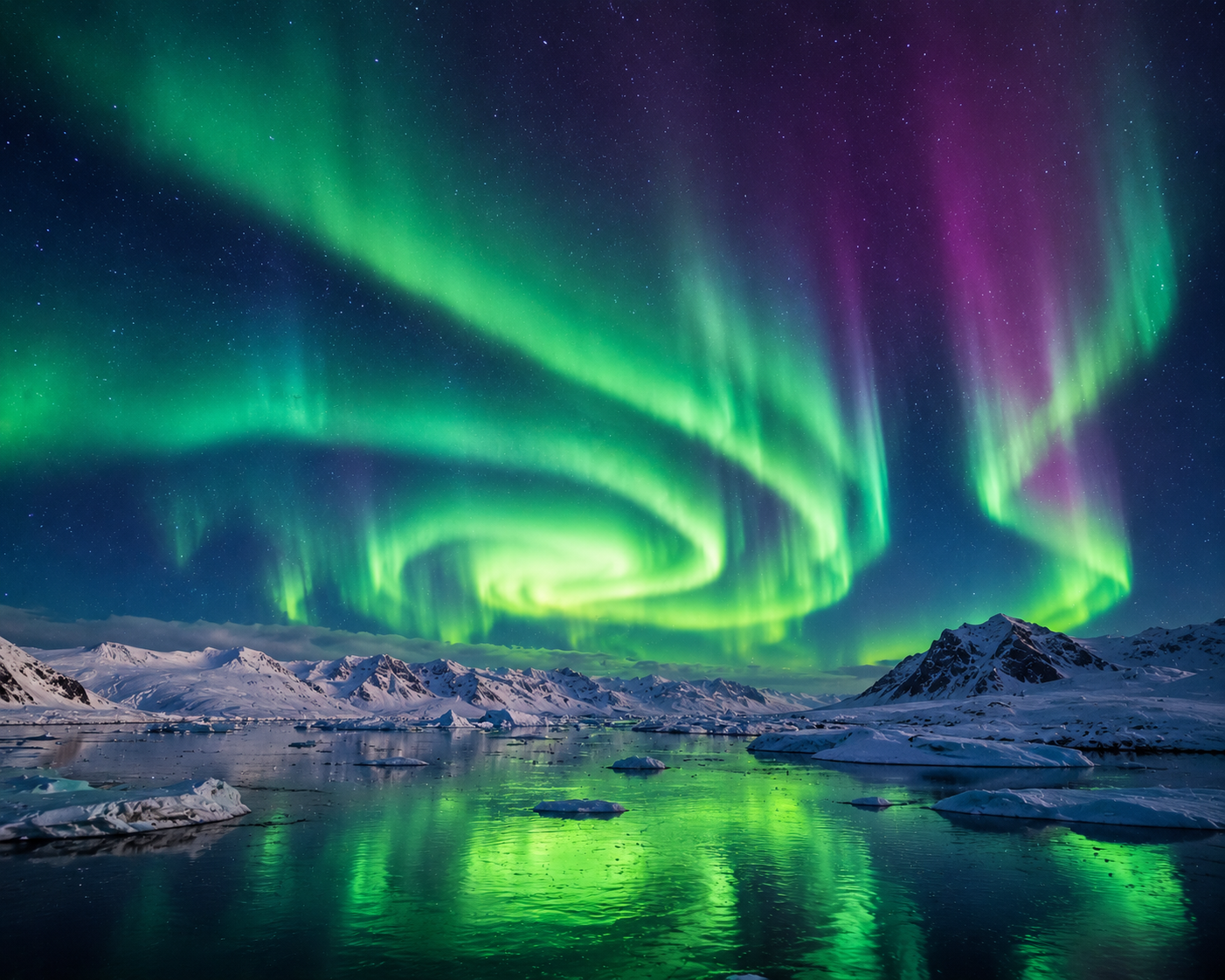
Aurora Borealis

Aurora Borealis

Hubble Telescope

Hubble Telescope

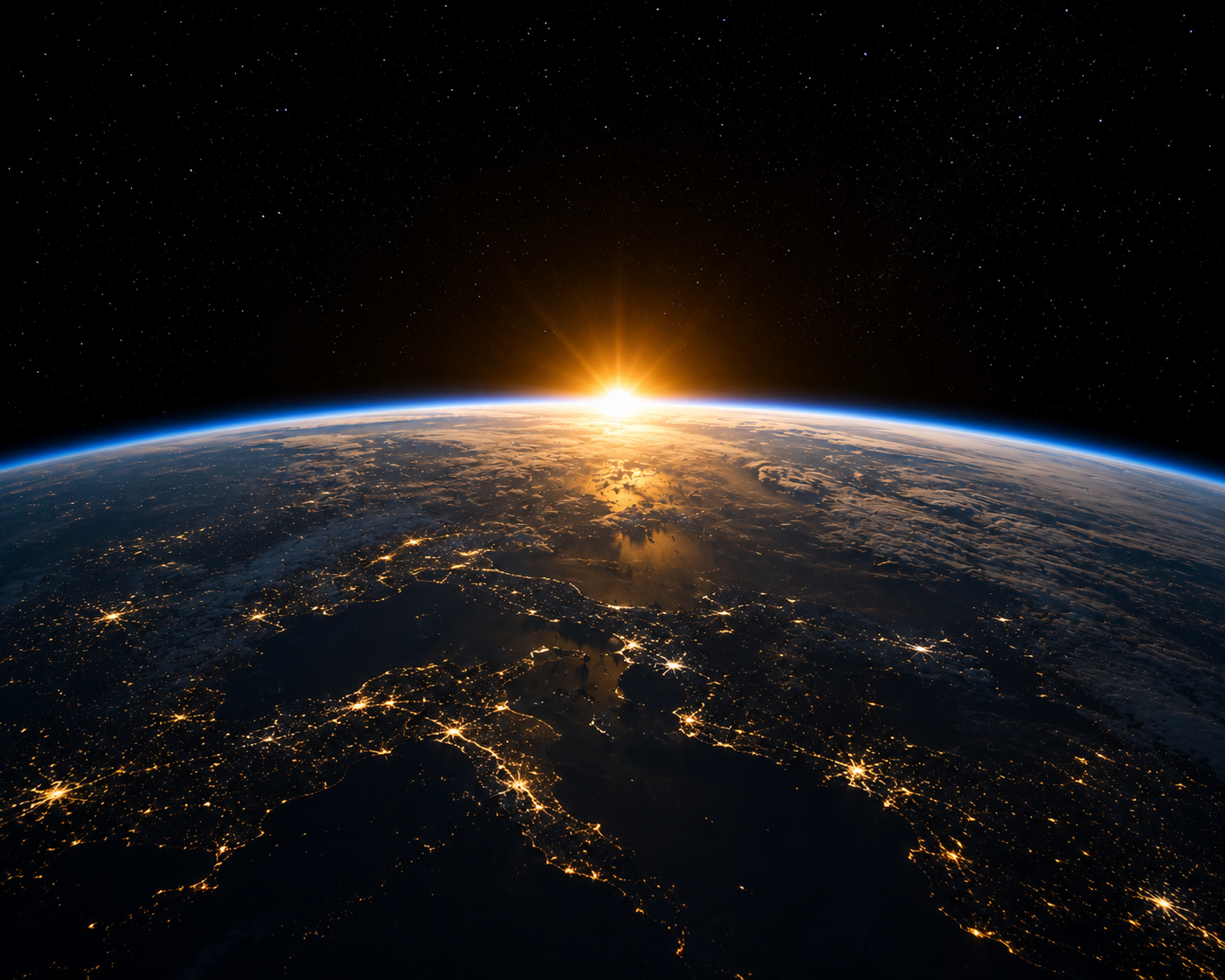
Earth Sunrise

Earth Sunrise

Begin the Exhibition

The Universe

Awaits.

Eight worlds. 4.6 billion years of history. Your journey through the solar system starts here.